Maruvan (Rajasthan)
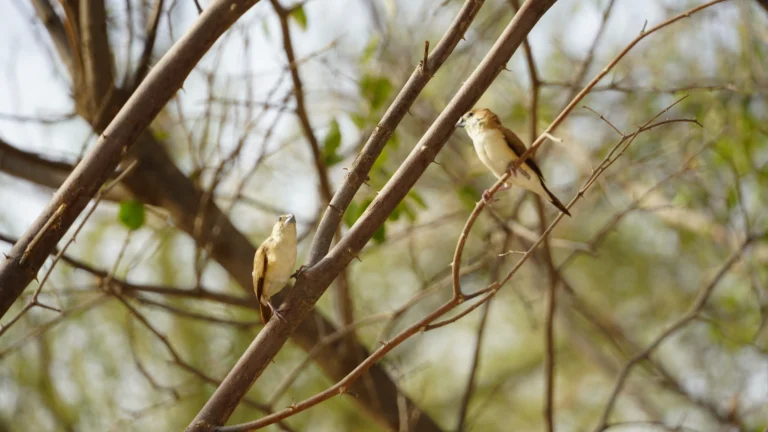
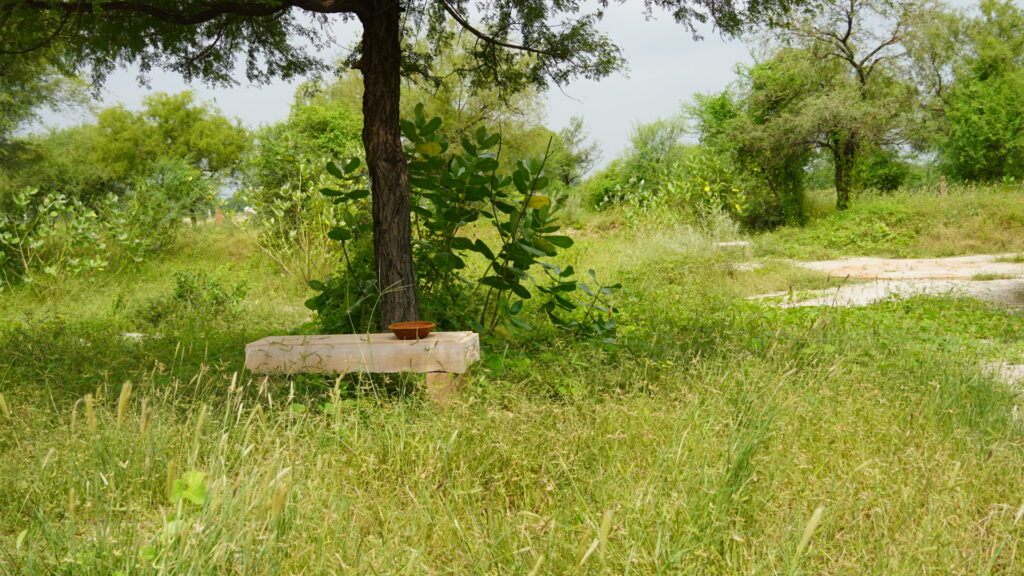
Maruvan began as a barren land scarred by overgrazing, sand mining, and invasive Prosopis juliflora. When we planted native forests, termites surged, breaking down organic matter but overwhelming young seedlings. Soon, desert gerbils appeared, digging burrows and balancing the termites—though damaging some saplings themselves. With them came snakes, mongooses, and monitor lizards, followed by owls, foxes, and peacocks. Step by step, predator-prey loops re-formed.
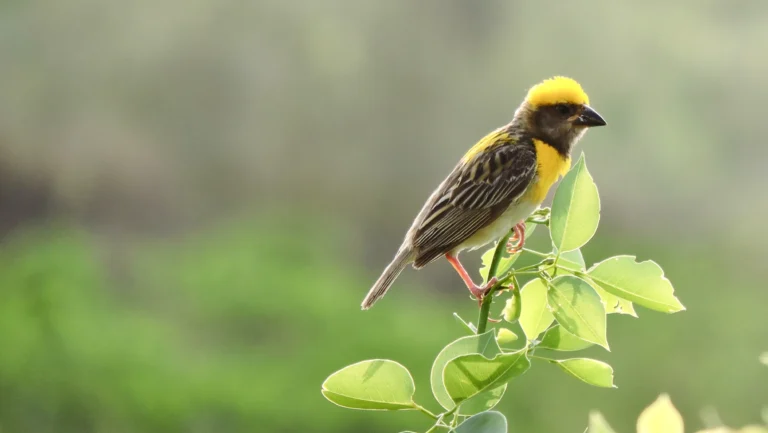
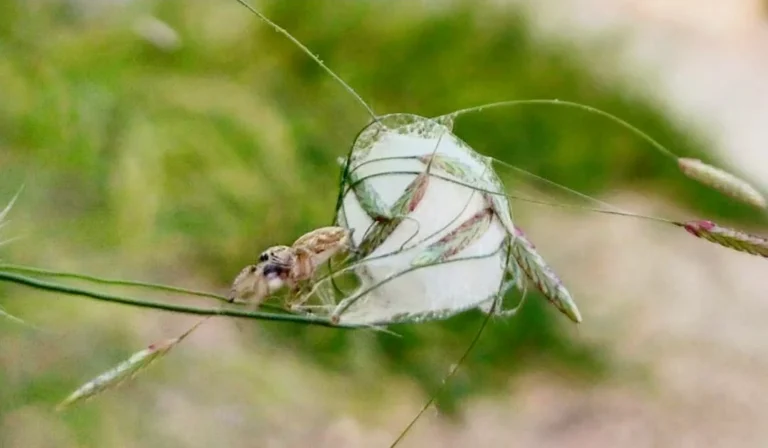
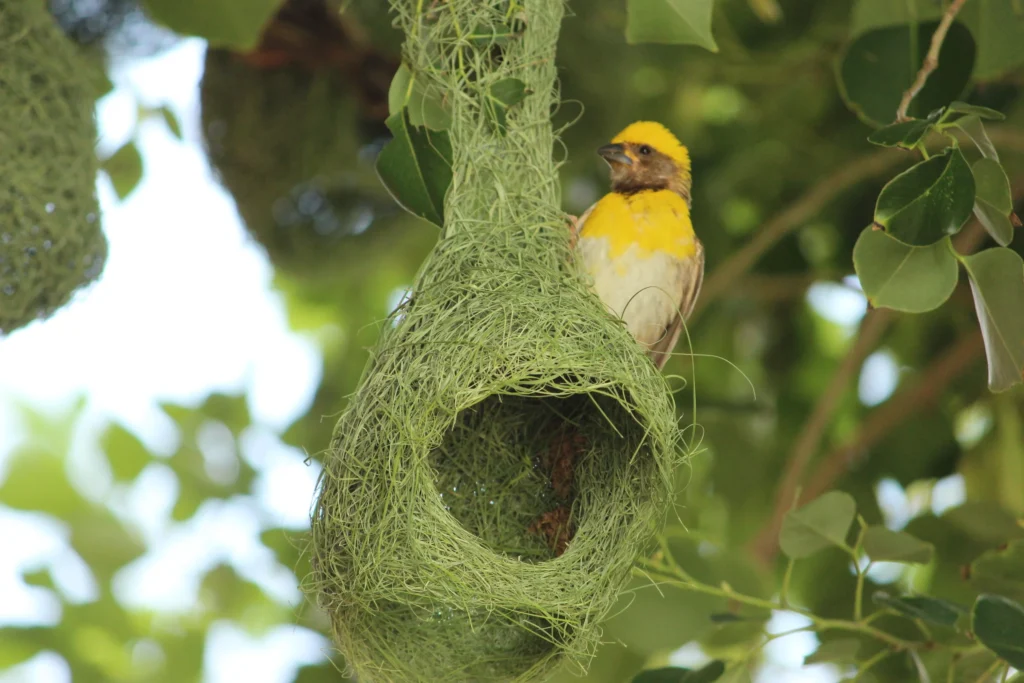
As native grasses like Desmostachya bipinnata returned, something magical happened. Weaver birds reappeared, weaving intricate nests with the grass after being absent for nearly 40 years. Villagers watched in awe as the land regained not just greenery, but its song and movement. This was not just restoration—it was the land remembering itself.
Maruvan reminds us: when habitats are designed with native intelligence, even deserts can pulse with life again.
Tadoba (Maharashtra)
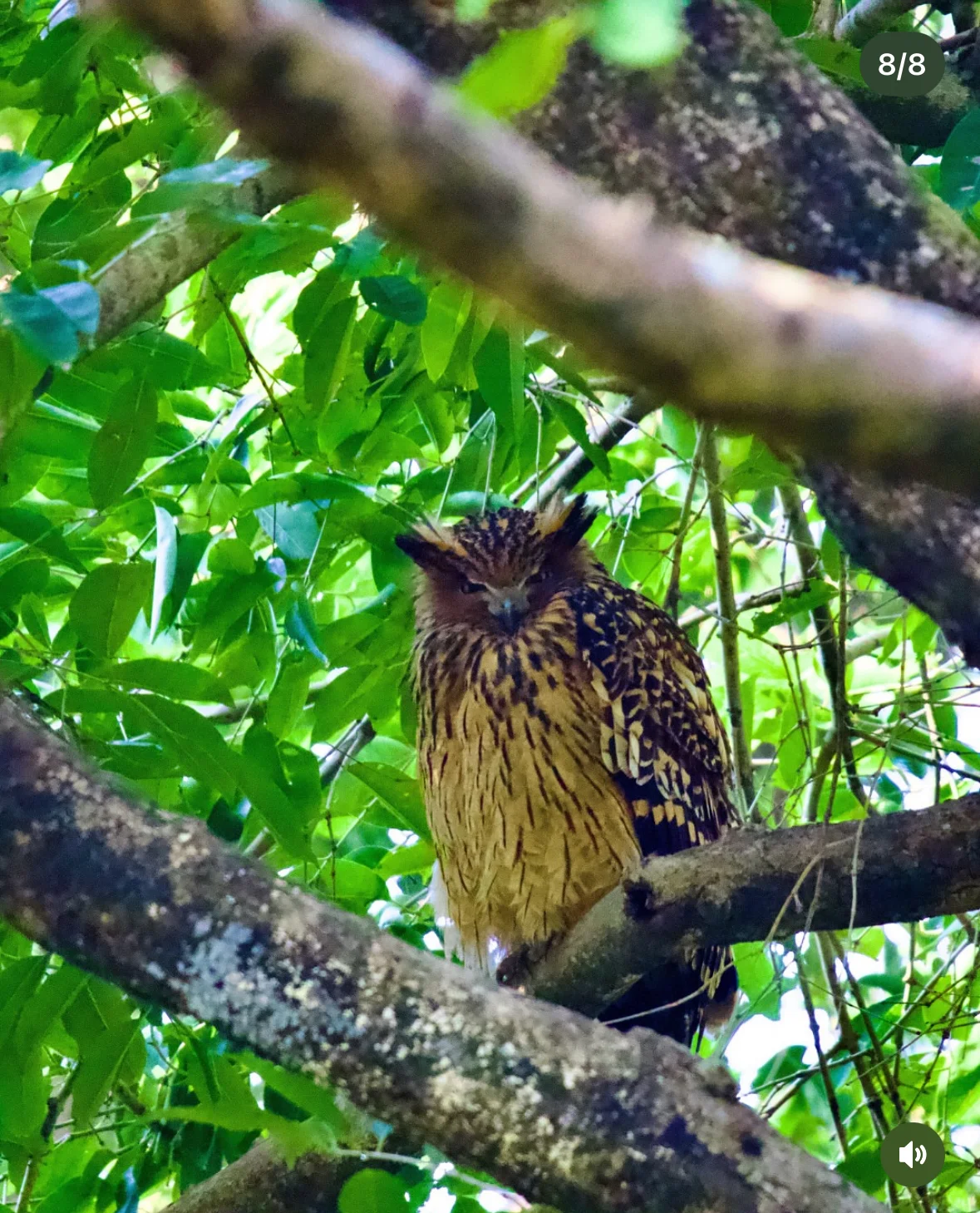
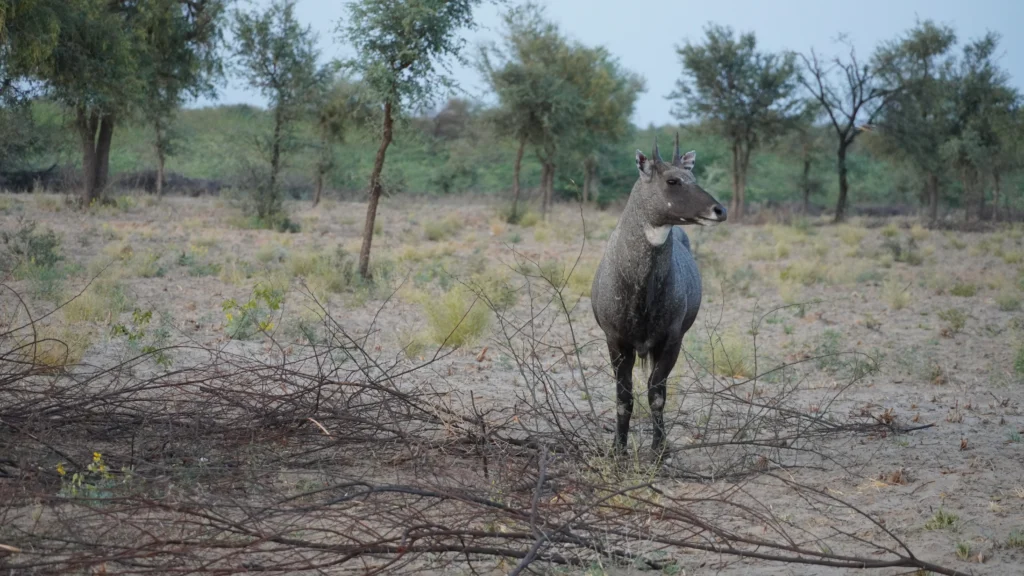
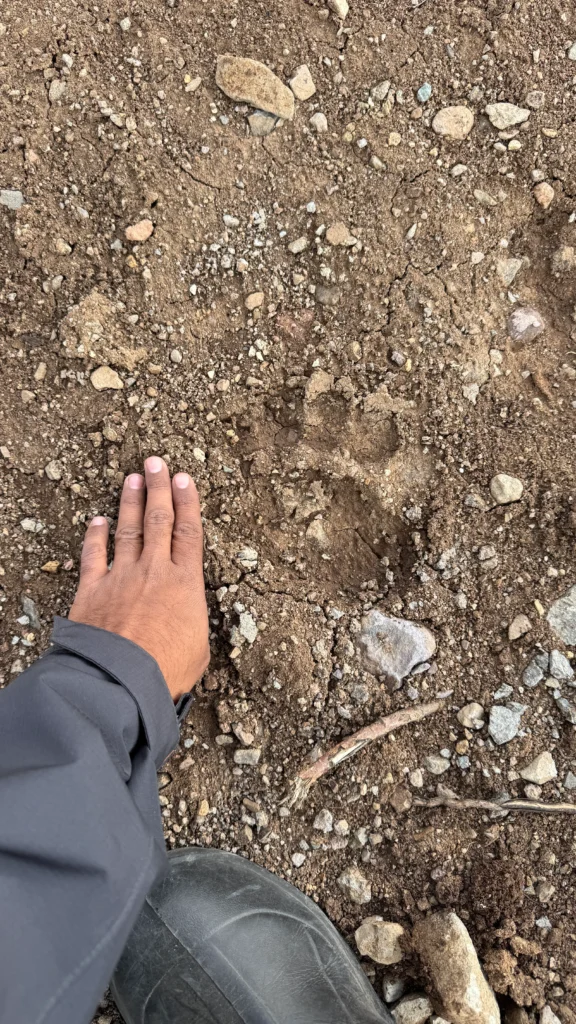
In Tadoba’s tribal landscapes, we restored large tracts of degraded land in Anandvan. Within a few years, the thickened forests welcomed blue bulls, sloth bears, and countless smaller creatures. Each layer of density created niches for species to thrive, weaving food chains from soil to canopy.
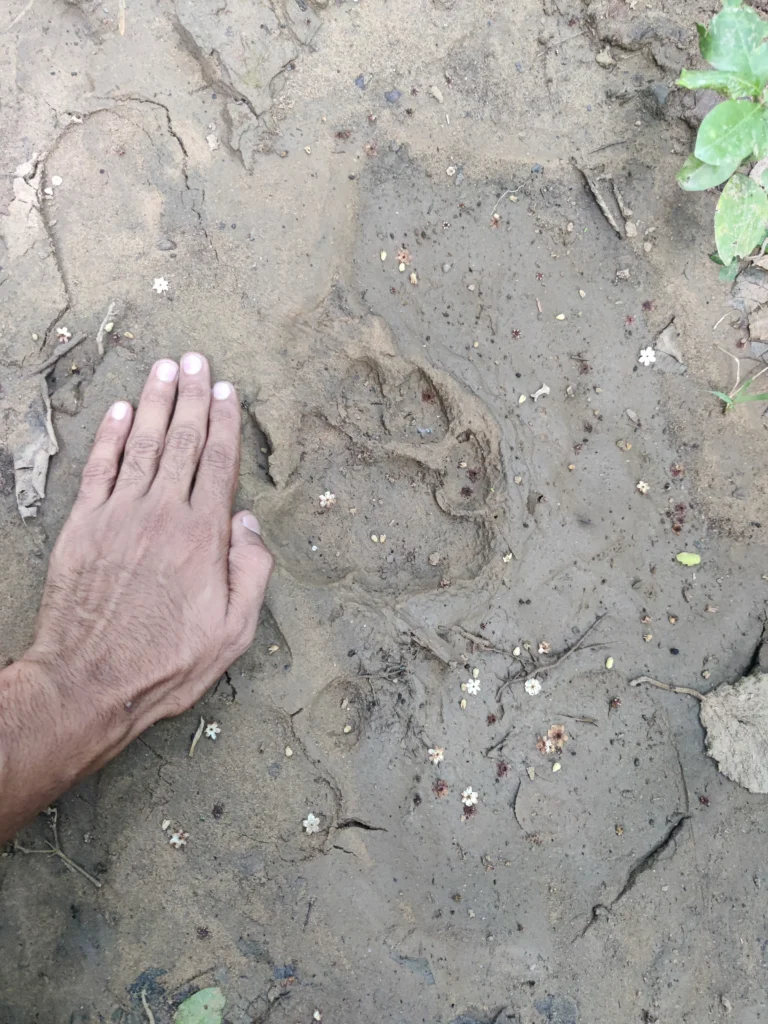
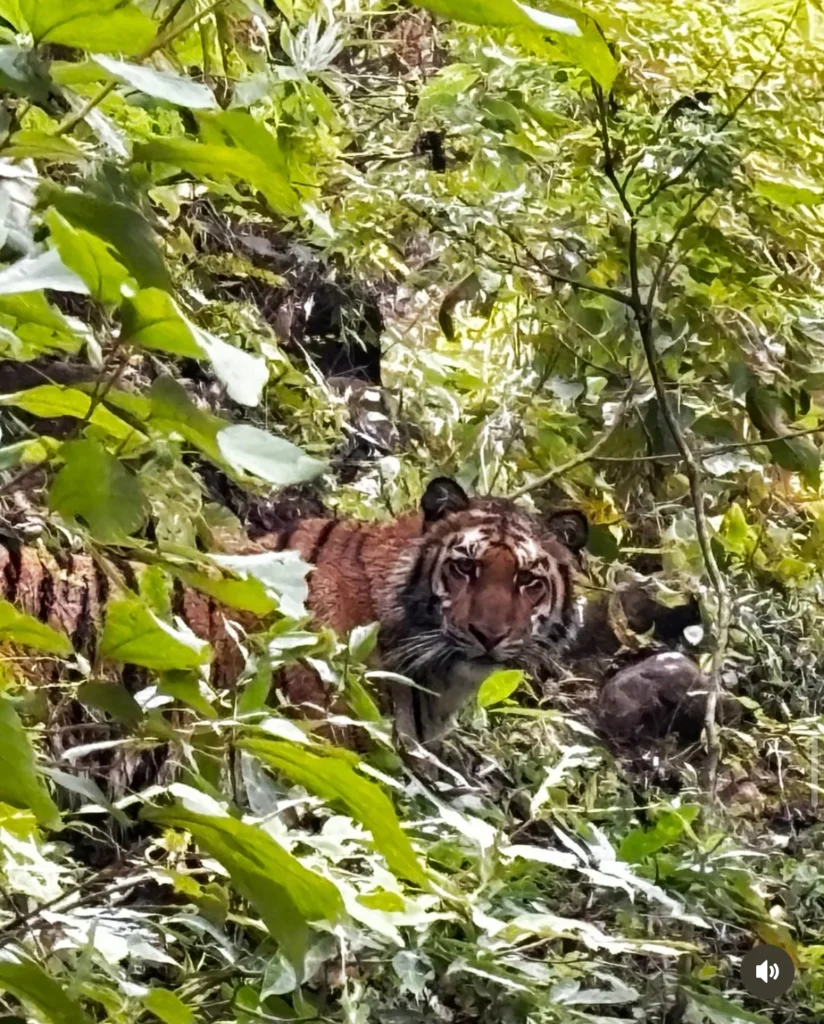
The most powerful sign came during storms, when tigers were spotted taking shelter in our forests. In a region where natural cover was eroded, even the apex predator sought refuge in the habitats we had designed.
This showed us something profound: when we design forests with depth and diversity, we are not just creating green patches—we are creating safe homes where life at every level can find balance, from insects to tigers.
Kalagarh (Uttarakhand)
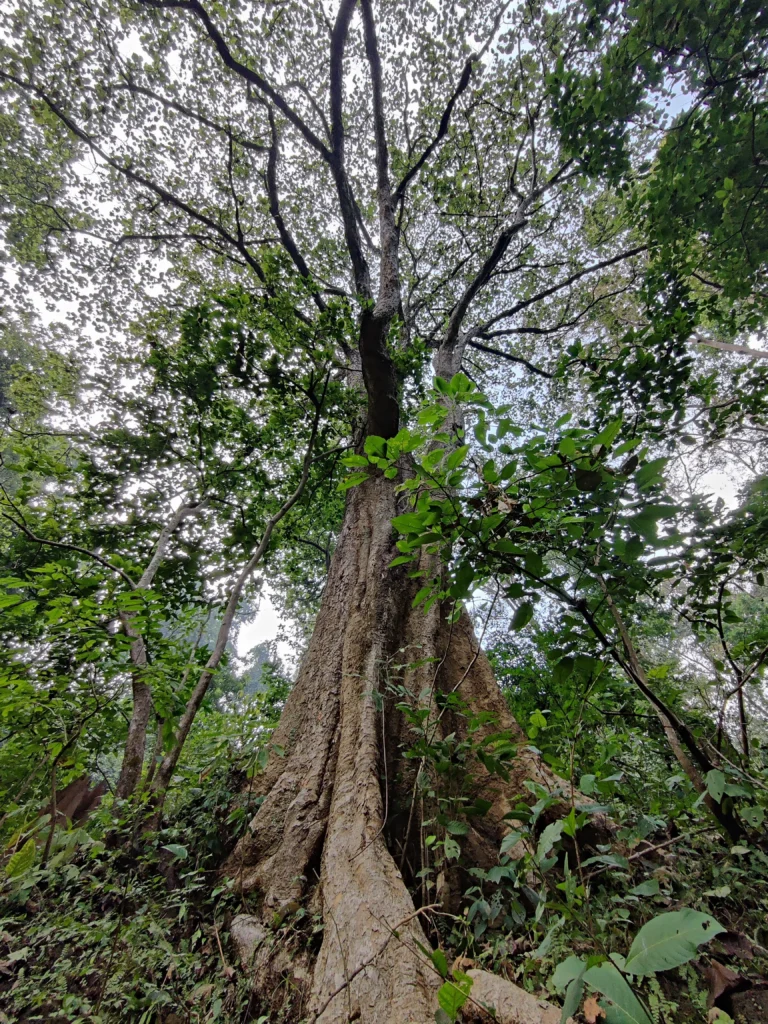
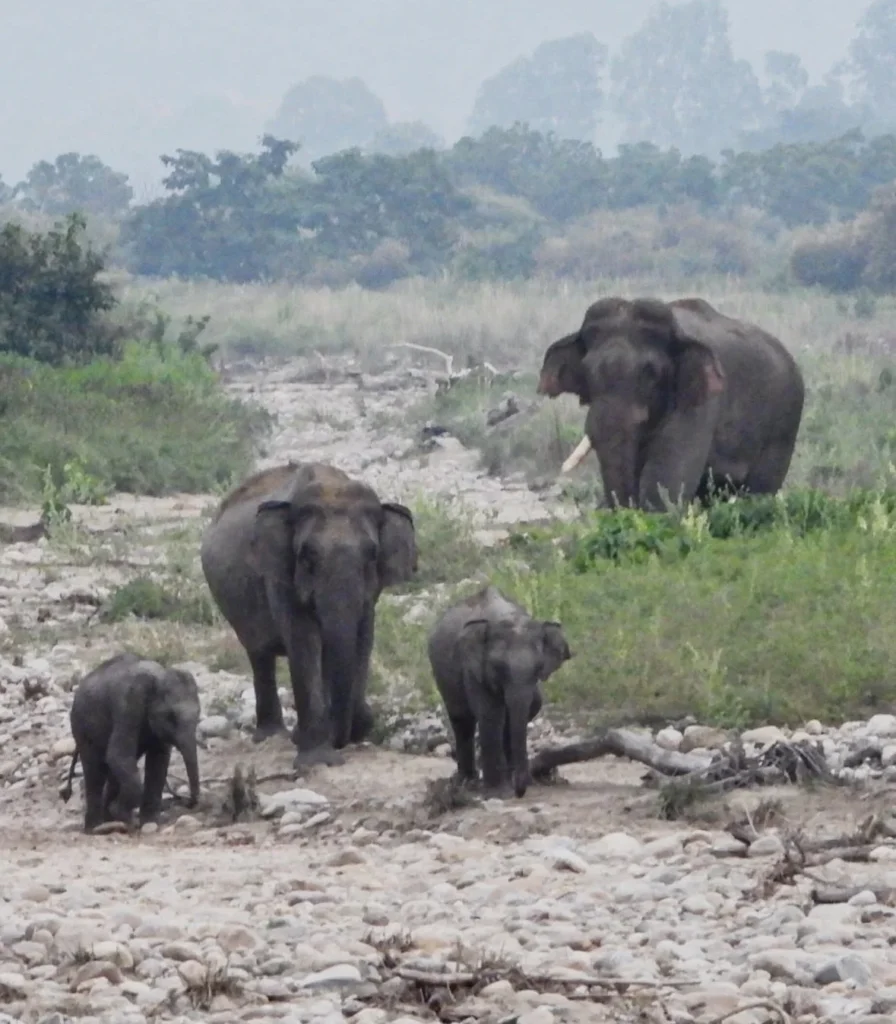
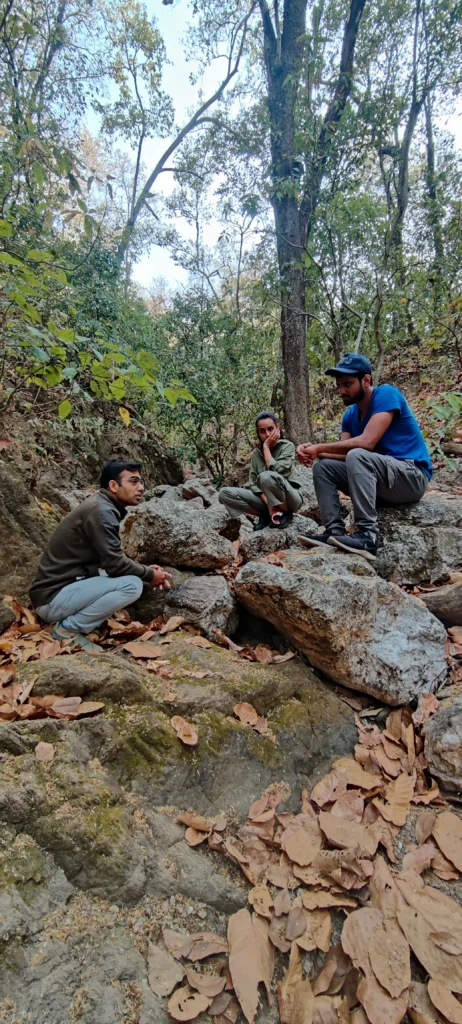
Kalagarh Tiger Reserve, an elephant corridor, had once been planted with non-native species. Elephants rejected it violently—uprooting every sapling. When we studied the land, we realized it wasn’t about elephants being destructive, but about landscapes being alien to them.
By learning from the old sal forests nearby, we designed communities of native plants in the same guilds and structures elephants had known for millennia. Slowly, the forest matured. When elephants returned, they behaved differently. They walked gently through, sometimes resting, sometimes nursing calves—never once damaging the new forest.
It was a revelation: when habitats are familiar and rooted in memory, even giants move softly. Co-existence isn’t wishful thinking—it is a design possibility.
From Maruvan’s desert gerbils to Tadoba’s tigers to Kalagarh’s elephants, each story carries the same truth: forests are living systems of co-existence. When designed with native species, they invite fauna back, and with them, balance returns.
This is not just about wilderness. The same principles can guide how we design resorts, institutions, or even entire cities. A weaver bird returning after 40 years, a tiger seeking shelter in a storm, or elephants walking calmly through a human-made forest—these are glimpses of the future we can create.
The message is clear: degraded lands are not dead. With thoughtful design, they can become habitats where humans and animals live side by side, where broken loops of nature close again, and where every landscape—whether desert, city, or corridor—breathes with life.